
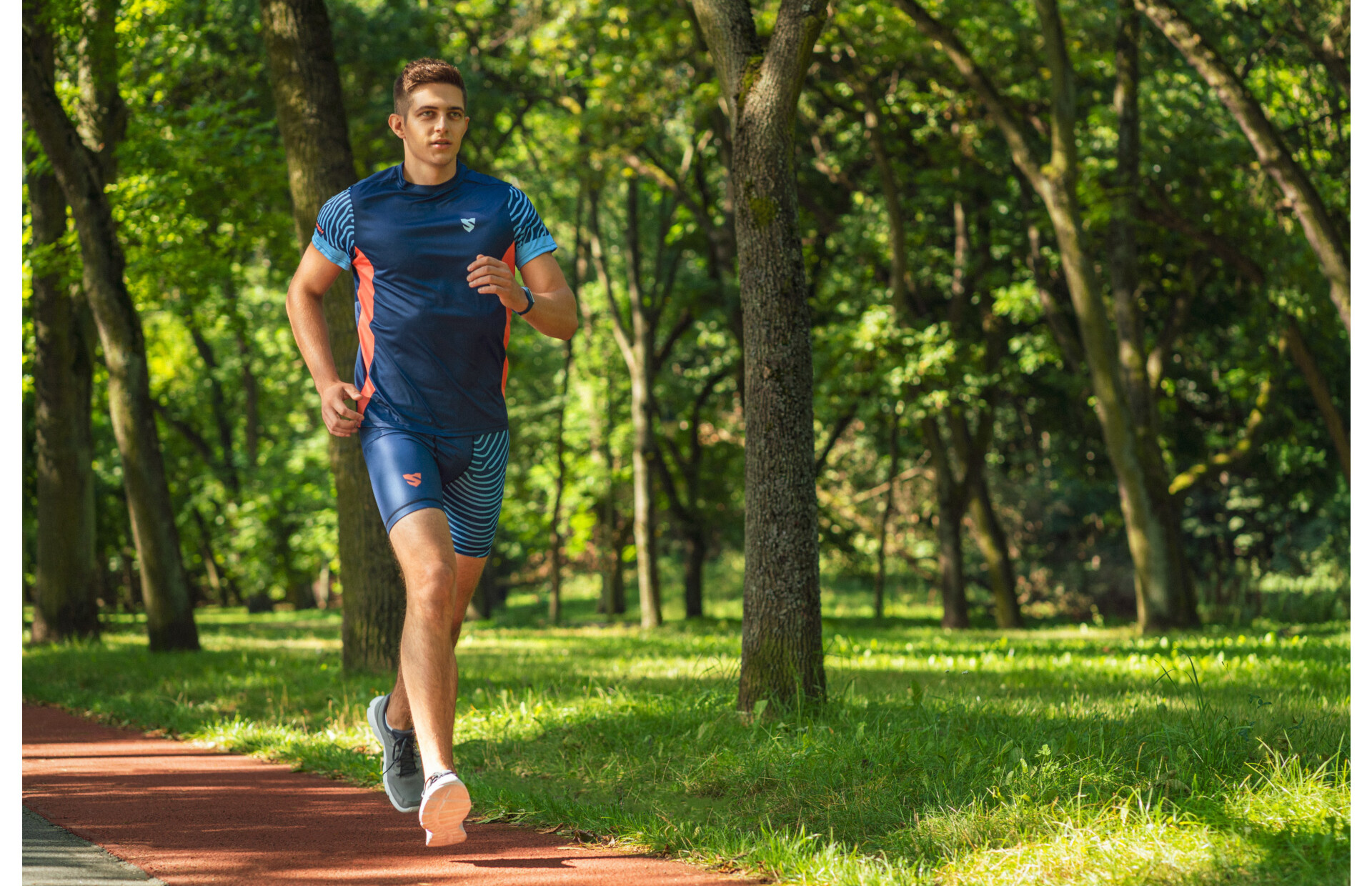
Athlete Hydration - What, How Much, and How Often to Drink Before and After Training?
Did you know that… even with a perfect training plan, a tailored diet, and professional gear, your body can still say “NO” if you do not take care of hydration?
How much, when, and what kind of fluids should you drink to get the most out of every training session? We will cover that and other aspects of proper hydration in a moment.
What role does proper hydration play for athletes?
Let’s start with a short definition. Hydration is the balance between the fluids you take in and the fluids you lose through sweat, breathing, and urine. Considering that water makes up nearly 60–70% of your body weight, this is something that truly matters.
It is responsible for thermoregulation, transporting nutrients to the muscles and supporting their work, as well as conducting nerve impulses. If you do not maintain proper fluid balance, it will affect your well-being, health, and performance.
Even losing a relatively small amount of water (as little as 1–2% of body weight) lowers performance and worsens concentration and coordination. Lower plasma volume forces the heart to work harder, the body’s cooling ability drops, fatigue builds faster, and suddenly the same workout feels much harder. What is more, dehydration also negatively affects recovery processes by slowing nutrient transport.
How can you recognize the symptoms of dehydration? What are the risks?
When this risk appears, your body will start sending clear warning signals.
- Stage one is increased thirst, dry mouth, fatigue, and a clear drop in performance.
- Stage two is dizziness, headaches, muscle cramps, and an elevated heart rate.
- Stage three (more serious dehydration) is disorientation.
You can also spot signs of possible dehydration by the color of your urine.
- Light yellow means you are well hydrated.
- Dark (amber or brown) means you need more water.
- Very pale (almost like water) means you are drinking too much fluid.
Can you “overdo” drinking in the other direction?
Of course—it works both ways. While dehydration happens when you drink too little compared to what you lose through sweat, it is worth remembering that the other side of the coin can be just as dangerous. Overhydration occurs when you drink huge amounts of plain water, which dilutes sodium levels in the blood and may lead to hyponatremia.
Rules of proper hydration for active people
Now that we have covered how it works and the risks of neglecting hydration, it is time for some specifics.
For exercise lasting up to around 60 minutes at moderate intensity, water is completely enough. Just remember to choose still water with medium mineral content. Reach for an isotonic drink only when the workout lasts longer than an hour, is very intense, or takes place in hot weather. Isotonic drinks make the most sense during and right after long, demanding exercise.
Hydration before training - how much and when should you drink?
If you want your workout to be truly effective, remember that you should start it already properly hydrated. That is why around 1–2 hours beforehand, you should try to drink up to 500 ml of fluids, ideally water. Right before you start, you can add around 250 ml more. This way, you build up a proper reserve while avoiding the unpleasant feeling of a full stomach.
What and how much should you drink during training?
A lot depends on the type, length, and intensity of the workout, as well as the conditions in which it takes place. Running in hot weather is not the same as lifting weights in an air-conditioned gym. In practice, you may need anywhere from 500 ml to as much as 2 liters of fluid per hour. One thing stays the same—during exercise, drink in small portions, sip by sip. Drinking too much at once can lead to sloshing and discomfort.
P.S. If your workout lasts less than an hour, you can usually rehydrate mainly afterward (this does not apply to activity in extreme conditions).
How much and what fluids should you reach for after physical activity?
Here too, it is a fully individual matter. If you managed to stay regularly hydrated during your workout, then usually 500 ml to 1000 ml right afterward is completely enough. Then, over the next 1–3 hours, drink another 1 to 1.5 liters.
P.S. Especially after a long or intense session, water alone may not be enough. That is why it is worth reaching for electrolytes and carbohydrates, which help restore glycogen. If muscle recovery is also your priority, make sure to combine fluids with a protein-and-carbohydrate meal.
Electrolytes for athletes - what are they and how much do you need?
Along with sweat, you lose not only water but also valuable minerals, including:
- sodium - the most important one of the group, it helps retain the water you drink and reduces cramps,
- potassium - supports muscle function and a proper heart rhythm,
- chlorides - help maintain fluid balance in the body,
- magnesium - is responsible for nerve impulse conduction and muscle relaxation.
How much you need depends on how much you sweat and how long you exercise. They matter most during long workouts, in high temperatures, and for people who sweat heavily.
What should you NOT drink when you train?
To wrap up, here is a short list of things to avoid. On the blacklist of anyone who takes sport seriously, you will find:
- Alcohol, which strongly dehydrates the body and undermines all your effort.
- Carbonated drinks, which can cause bloating and discomfort.
- Sugary juices and fruit drinks, which are basically fructose bombs.
- Milk and dairy-based drinks, which put strain on the digestive system and may lead to unpleasant surprises both during and after training.
As with every other aspect, moderation matters here too. Pouring liters of plain water into yourself can lead to dangerous dilution of sodium in the blood. That is why replenishing electrolytes becomes so important during long exercise.
Hydration under control? Now take care of what you train in.
Now that you have hydration and fluid balance figured out, it is time to gear up with comfortable training apparel. To do that, we would like to invite you to visit the SMMASH online store, where you will find, among other things, sports shirts, rashguards, shorts, leggings, and much more.


