

How to Start Running? A Beginner’s Guide.
You’ve been wanting to start your running journey for a while, but you don’t know where to begin so it doesn’t end in pain, discouragement, and exhaustion—after just a few hundred meters? Ok, we have to warn you right away that your first workout will probably look exactly like that. But! The good news is that each next one will definitely go much better!
Check out our SMMASH guide, where we’ve prepared a whole bunch of knowledge, tips, and useful advice for you.
Further on, you’ll find information about preparation, clothing, weather conditions, and even what’s worth eating and drinking—both “before” and right “after” this kind of effort. Let’s get started!
How to Start Running the Right Way? A Step-by-Step Guide.
Running can be compared to practically any other sport. Simply put—without proper preparation, you won’t reach your goals, you’ll quickly lose motivation, get injured, and worst of all—you’ll rapidly return to your old, not-so-healthy habits.
If you don’t want your running adventure to end as quickly as it started, follow the instructions below.
First—Take Care of Proper Clothing
The foundation is comfortable shoes with a slightly thicker sole, which will provide proper cushioning for your legs. But just to be clear—you don’t need to invest hundreds or thousands in professional footwear at the beginning. Nothing bad will happen if you take your first running steps in regular sports shoes that are probably already sitting in your closet.
When choosing other parts of your running outfit, make sure they provide comfort, are lightweight, breathable, and suited to the weather (more on that in a moment).
How Should You Dress for Running Depending on the Weather?
When the temperature outside is relatively high (above 15 degrees Celsius), you can easily go for shorts or longer leggings and a short-sleeve shirt. Keep in mind that your body will warm up during the run anyway. So even if you feel cold at first, that feeling should pass after your first kilometer. Clothes from our SMMASH running collection are perfect for this role, where you’ll find both shirts and leggings (short and long)—in as many as 8 designs to choose from (4 for men and 4 for women).
If it’s really hot (above 20 degrees Celsius), consider wearing shorts and a sleeveless shirt (a tank top).
On colder days (around 5–10 degrees Celsius), dress in layers. Put on several layers of clothing that you’ll be able to take off when you get warm. In that case, long leggings, a long-sleeve shirt, a sweatshirt, and a lightweight jacket will work perfectly. Don’t forget headwear either. Caps or special headbands are ideal for running. And when the temperature is around 0 degrees Celsius or drops below, put on thermal underwear, a scarf (or neck gaiter), and gloves.
-
 WOMEN’S LONG COMPRESSION SHIRT WITH LONG SLEEVES COMPRESSION SHIRTAs low as $31.99 Regular Price $48.99
-
 WOMEN’S LONG COMPRESSION SHIRT WITH LONG SLEEVES COMPRESSION SHIRTAs low as $31.99 Regular Price $48.99
-
 MEN’S COTTON T-SHIRT MEN'S COTTON SHIRTAs low as $18.99 Regular Price $36.99
-
 WOMEN’S COTTON T-SHIRT WOMEN'S COTTON SHIRTAs low as $18.99 Regular Price $36.99
-
 WOMEN’S COTTON T-SHIRT WOMEN'S COTTON SHIRTAs low as $18.99 Regular Price $36.99
-
 WOMEN’S COTTON T-SHIRT WOMEN'S COTTON SHIRTAs low as $18.99 Regular Price $36.99
-
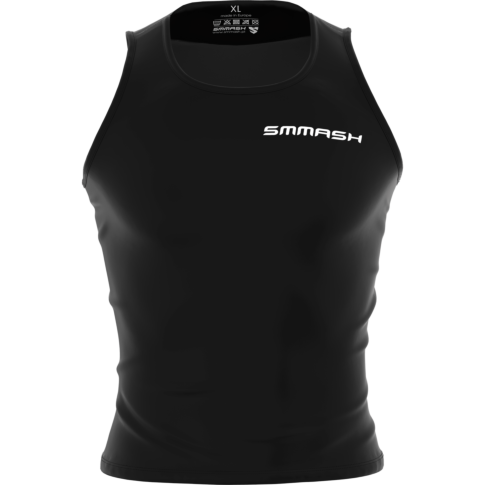 OCR ULTRA LIGHT COMPRESSION TANK TOP COMPRESSION TANK TOPAs low as $23.99 Regular Price $51.99
-
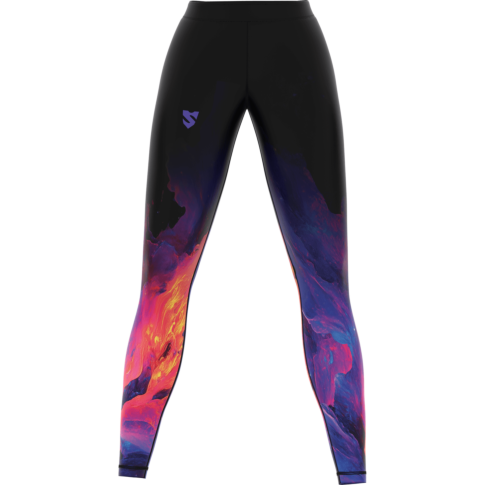 WOMEN'S LONG RUNNING LEGGINGS WOMEN'S LONG RUNNING LEGGINGSAs low as $38.99 Regular Price $56.99
-
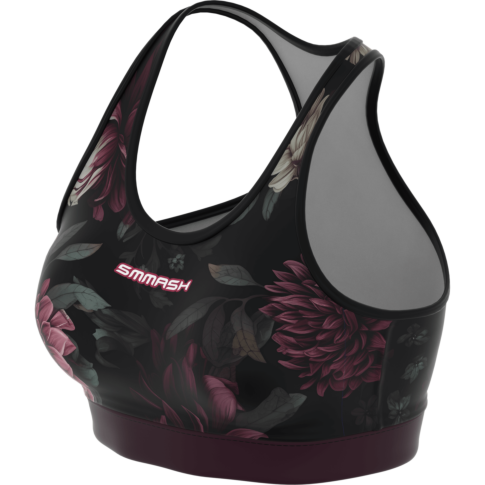 WOMEN’S SPORTS BRA / TOP SPORT TOPAs low as $29.99 Regular Price $48.99
-
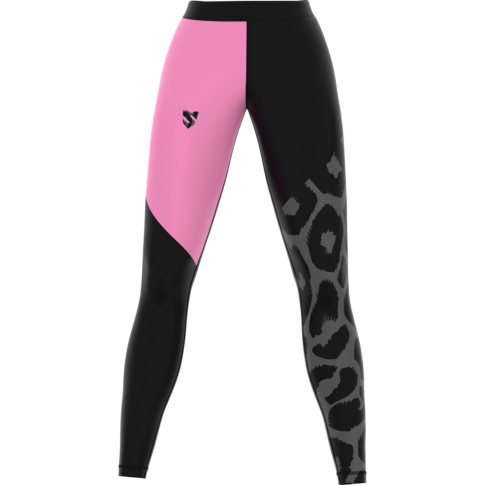 WOMEN’S LONG RUNNING LEGGINGS WOMEN’S LONG RUNNING LEGGINGSAs low as $38.99 Regular Price $56.99
-
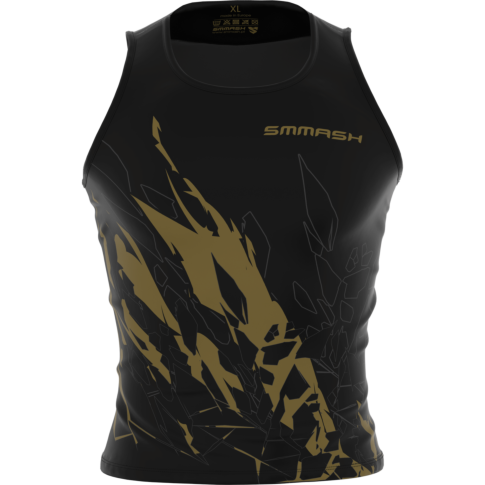 OCR ULTRA LIGHT COMPRESSION TANK TOP COMPRESSION TANK TOPAs low as $23.99 Regular Price $51.99
-
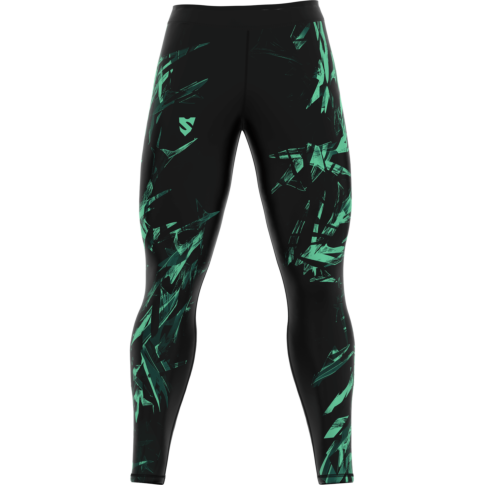 MEN’S LONG RUNNING LEGGINGS MEN'S LONG RUNNING LEGGINGS EMERALDAs low as $38.99 Regular Price $56.99
-

-
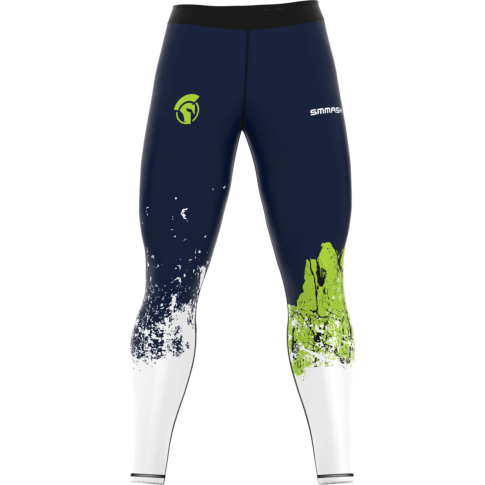 MEN’S LONG RUNNING LEGGINGS RUNNING AND OCR LEGGINGSAs low as $38.99 Regular Price $56.99
Second—Remember Physical Preparation
Once you’ve completed your running outfit and you’re ready to run your first meters—wait! Warm up first! Start by walking a few hundred meters and doing a set of simple exercises (for example bends, squats, and hops). This will help prepare your body for further effort and, most importantly, significantly reduce the risk of injury.
A Beginner Runner’s Diet. What to Eat and Drink “Before” and “After” Training?
If you’re heading out for training, eat a light meal that gives your body the energy it needs. From experience, we know it’s worth having it no later than 30, and sometimes even 60 minutes before your planned effort (it depends on your body). The exact meal plan depends on your preferences and tastes. Still, try to avoid high-fat and heavy foods. Instead, choose light meals rich in carbohydrates.
After training, you can allow yourself much more. Dishes rich in protein (for example poultry or fish), with vegetables on the side, are an ideal solution. This will certainly help you recover faster.

Weather Conditions—What’s Best for the Start of Your Running Journey?
The vast majority of runners who already have hundreds or even thousands of “walked out” kilometers behind them assume that there is always good weather for running. The only difference is choosing the right clothing.
While this approach works for experienced athletes, in the case of beginners (that is, you), we advise taking a more balanced approach.
What Weather Is Recommended to Start Running?
As a beginner runner, pay close attention to the conditions in which you want to cover your first kilometers. Try to avoid extreme temperatures (that is, running in heat or frost). On warm and sunny days (in summer and spring), run in the morning or in the evening. On colder days (in fall and winter), make sure you wear proper clothing (as we mentioned above). Rain, snow, or strong wind also won’t be your allies—at least at the very beginning of your running journey.
What Should Your First Run Look Like?
If you’ve managed to choose the right time, take care of proper clothing, and eat well—then it’s time for your first workout. Do the warm-up we mentioned, and then smoothly move into an even run.
No techniques will turn you into a marathon runner right away. So don’t focus on speed or, even more so, on distance covered. Instead, focus only on the duration of your first run. Run at a steady, even very slow (almost walking) pace for about 10 to 20 minutes. And if you feel that it’s too much effort for you—switch to a slower but still brisk walk.

Training Plan for Your First Runs
Your first runs may look like this:
- Day 1 - 10/20 minutes of light running or a brisk walk.
- Day 2 - rest and recovery.
- Day 3 - 15/20 minutes of light running or a brisk walk.
- Day 4 - rest and recovery.
- Day 5 - 15/25 minutes of light running or a brisk walk.
- Day 6 - rest and recovery.
- Day 7 - 20/30 minutes of light running or a brisk walk.
With each workout, try to gradually extend the duration of the effort and keep doing so until you feel that an easy run no longer causes you much difficulty. Then it will be a sign that it’s time to move up a level and focus on improving other parameters, including pace and distance.
Keep in mind that this is only a sample plan, and it may not work in your case at all. If you want to be sure that the start of your running journey is on the right track, we recommend using the help of a specialist who will first assess your needs and abilities and then create a training plan “tailored” to you.
What Shouldn’t You Forget During Your First Attempts at Running?
Don’t get discouraged and don’t give up when intense fatigue hits you. It’s completely normal if you get out of breath, your face turns red, and your legs start to hurt. Soreness after your first run is also normal. You just need to “walk it off,” and with each next activity, the risk of it happening will get smaller and smaller.
Your First Running Workout Is Behind You. What’s Next?
You’re only at the beginning of the road, so do regular workouts with at least 1- or 2-day breaks in between. With each next one, raise the bar a little—by “adding” kilometers or increasing your pace. Once you catch the running bug, install an app or consider buying a watch that will let you track your results.
Guide to the Best Way to Start Running - Summary
And that brings us to the end of our guide for people who are just planning to start their running journey. If we made your start in this sport even a little easier—we’re very happy.
If you’re looking for more advice about running and other physical activities, be sure to visit our SMMASH blog.
Looking for sportswear that will support you from your very first kilometers? Be sure to visit our online store. We have running apparel for women as well as for men.


