

OCR races – what are obstacle races?
Have you heard a thing or two about obstacle races? Maybe your family or friends have already had a chance to test themselves, and now they’re encouraging you to take part in another event of this kind? You’re not saying a firm “NO,” but... you’re considering joining such an event, yet before making your final decision and clicking “sign up,” you want to learn as much as possible about this discipline? We’ve probably included everything you need to know in this article.
Learn the definition, types, rules, and even the most popular OCR obstacle races held in Poland and around the world. Let’s get started!
OCR races – what is it?
An obstacle race (obstacle course race, or “OCR” for short) is a sport that attracts larger and larger groups of physical activity enthusiasts every year. Both amateurs and professional athletes take part in these events.
Obstacle races involve completing designated courses (ranging from a few to several dozen kilometers) and tackling obstacles placed along the route. The number of obstacles is usually related to the length of the course itself. The longer the route, the more challenges there are to overcome.
The best competitors race for podium places, trophies, and increasingly also valuable cash and material prizes. Meanwhile, all participants usually receive commemorative medals handed out at the finish line of each race.
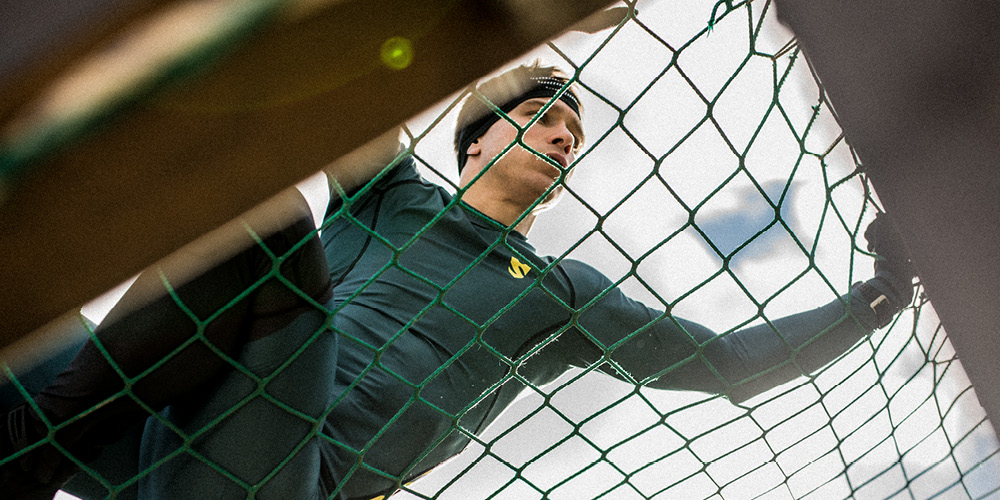
Types of obstacle races – what categories are there?
Both in Poland and around the world, there are many organizations involved in hosting this type of competition. Despite certain generally accepted standards, most organizers introduce their own variants and modifications, which naturally means that every OCR race is slightly different.
That is why several criteria should be used to classify obstacle races. The most popular include:
- Course length – here we can distinguish short courses (3–6 km), medium courses (7–12 km), and long courses (from 15 up to 42 km).
- Terrain type – depending on the location, races may take place on flat, mountainous, or mixed terrain. Many of them include forests, mud, and water.
- Difficulty level, mainly defined by the number and nature of the obstacles. Here you may come across easy OCR races (with a small number of so-called technical obstacles), medium races, and difficult races (where technical obstacles make up most of the challenges).
Obstacles in OCR races. What challenges will you face?
In most races of this kind, you can encounter obstacles that fall into one of the following categories:
- Natural, which make use of the terrain’s characteristics (swamps, pit traps, uphill sections, hills, forests, meadows, stairs, and others).
- Strength-based, which primarily require physical power (these include various loads such as sandbags, chains, logs, and many others).
- Technical, which require strength, agility, and technique (we mean special structures such as multirig, lowrig, pegboard, and many more).
- “Coordination” obstacles, which require the ability to balance your body (including balance beams and slackline).
Depending on the specific OCR event, the number of such challenges may range from a dozen to even several dozen spread across the entire course.
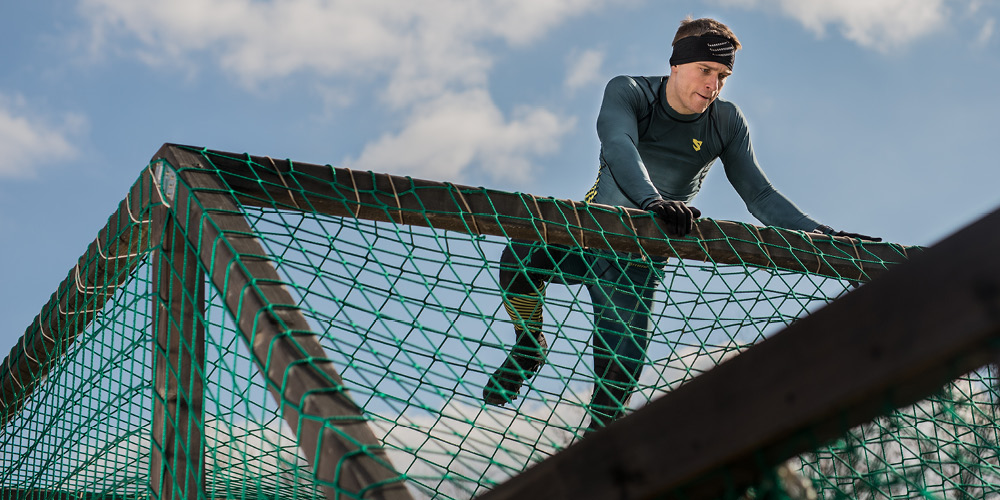
Who is it for? Who can take part in obstacle race competition?
The variety of courses (including their lengths) and the obstacles themselves (including their difficulty level) means that everyone can find something for themselves in this type of competition. Obstacle races are available to people of different ages. Adults usually compete on routes ranging from 3 to as much as 42 kilometers.
In turn, obstacle races for children feature slightly shorter courses which, depending on the event, may range from a few hundred meters to as much as 3 kilometers. Many organizers also create special routes designed for entire families.
Rules for taking part in obstacle races. What is worth knowing?
The basic qualification includes two divisions:
- The open category is an option for everyone who simply wants to have fun without focusing on competition or the result itself. Competitors in this category may help each other, and if they have difficulty overcoming an obstacle, they simply perform an alternative task instead (e.g. penalty exercise reps or a so-called penalty loop).
- The elite category, on the other hand, is an option for more advanced competitors who focus on individual competition. In this case, they must complete every obstacle on their own (without any help). Failing to complete a challenge may result in losing a wristband (a so-called “life”), which means no classification.
Below we have described the general rules. However, you should know that the exact guidelines may vary and always depend on the specific obstacle races. And since we’re talking about this type of event...
Obstacle race organizers in Poland and around the world
The global and Polish obstacle race calendar is packed.
In Poland, the clear leader in this field is of course Runmageddon – a cult event held in various locations (Warsaw, Kraków, Wrocław, Gdynia, Poznań, and many others) that attracts tens of thousands of participants every year.
Other races worth checking out include: Barbarian Race, Biegun OCR, Vikings Run, Survival Race. Of course, apart from them, dozens of other events are organized, both on a local and nationwide scale.
Abroad, hugely popular events include: Spartan Race (global reach) and Inferno Run (Italy), Strong Viking (including Belgium, Germany, and the Netherlands).
OCR League and Polish Championships – what is worth knowing about them?
In Poland, there is also a special league as well as annual national championships. The OCR League takes place throughout the year during selected events. The season is crowned by the championships, where the best competitors from all over Poland compete across several selected distances.
These include: short distance (3 km), long distance (12 km), the OCR100 course (a fast 100-meter course), and relay (about 6 km). Competition is held in separate categories for women and men, as well as by age groups.
How to prepare for an obstacle race?
If your first start in this type of event is ahead of you, get comfortable and stable footwear with an aggressive tread. Shoes like these will help you handle even the wettest, slipperiest, and muddiest challenges. To complete the rest of your outfit, try to choose clothing that fits close to your body and does not absorb moisture. Sportswear collections that we created specifically for this type of challenge work perfectly in this role. In the SMMASH range, you will find fitted OCR clothing for men as well as proven options for OCR clothing for women.


