
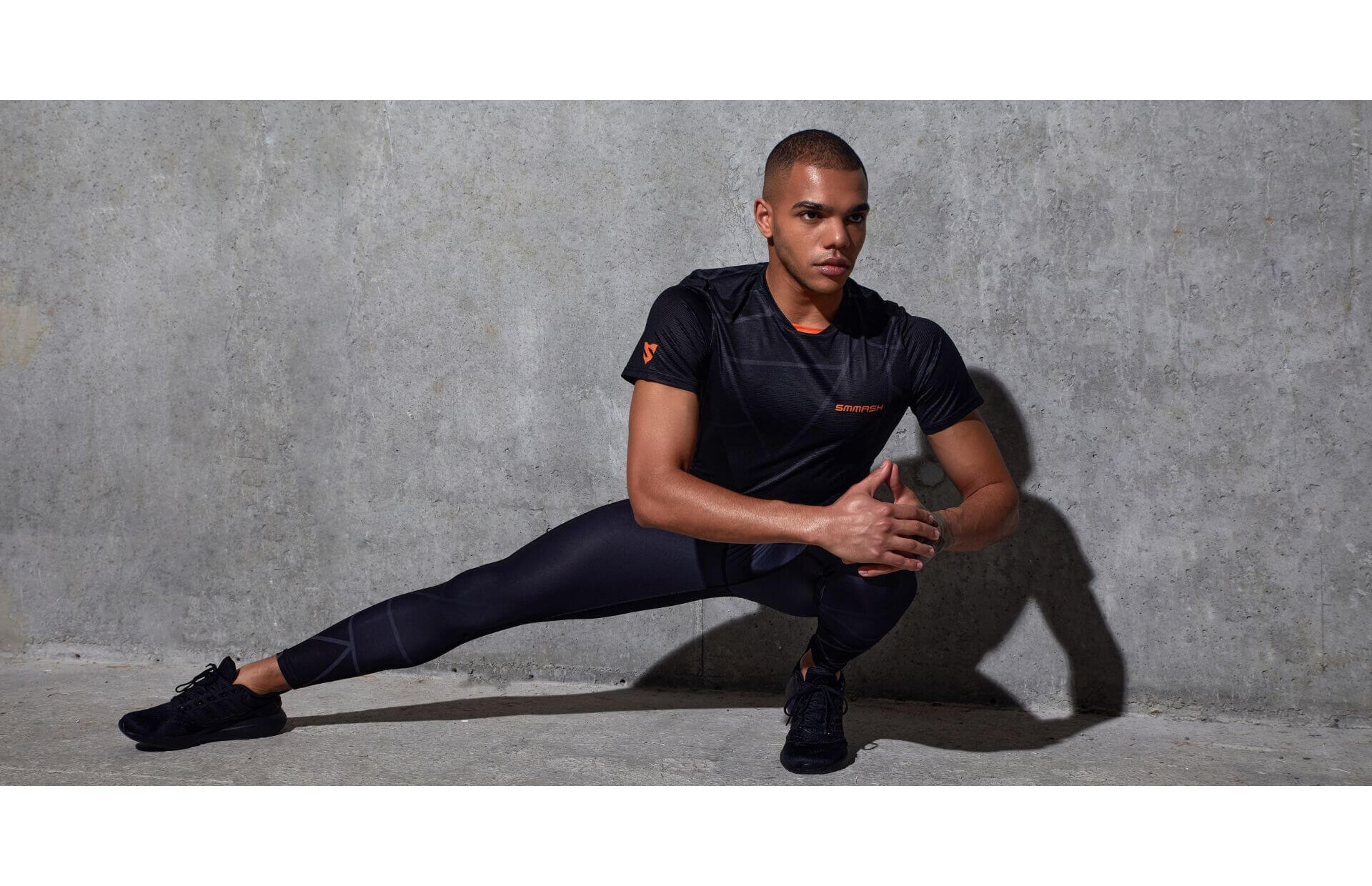
Post-workout recovery - what is it? How to recover your muscles and body?
It is just as important (or maybe even more important!) as training itself. But do the people who are potentially most interested in it (read: athletes) think the same way? Unfortunately, not always. We hope this article will “open your eyes” and show you how important recovery is in the entire preparation process. What is it, and what methods are worth using to take care of it? Let’s find out!
Learn the definition and importance of recovery in sport. Check what is worth doing and what benefits it brings - for you and your body.
Recovery - what is it?
Let’s start with the most general definition of this concept. From a biological point of view, recovery is the process of restoring (rebuilding) specific parts of the body. It may concern cells, tissues, or even organs that have been damaged in some way (for example as a result of a cut, abrasion, bruise, and many others).
Of course, we are not biologists, and our blog is far from being a scientific paper on the subject. That is why in the next part we will focus on what you are certainly expecting, namely… body recovery, but in a sports context.
Recovery in sport - what does it involve?
Every process requires commitment. Training is no different when the goal is to improve your fitness, strength, endurance, build muscle mass, or support other aspects. Commitment in this area means nothing more than simply controlled “overloading” of different parts of the body to a greater or lesser extent.
The main elements that paradoxically “take the biggest hit” are, of course, the muscles. Depending on the type of training, these may be the biceps, triceps, hamstrings and quadriceps, shoulders, back, abs, chest, or perhaps everything at once (especially if you train CrossFit).
Overloading them to a certain extent provides a strong stimulus for development. However, for that to happen, there must be room for recovery after every effort. This is the time during which the body can rebuild itself and regain energy for the next challenges. But how should you do it?
Why is it worth it? Benefits of recovery.
If you need additional arguments to convince you that recovery in sport is a necessity rather than just some kind of “extra,” here they are:
#1 Protects the body and reduces the risk of injury
Recovery simply means improving your body’s safety.
#2 Improves athletic performance
It helps improve fitness and increase strength and endurance.
#3 Gives you a boost for further progress
It is a stimulus that allows you to break through more barriers and become a better athlete.
What happens if you ignore it?
The answer here is simple too. A lack of recovery after physical activity means fatigue, no progress or satisfaction, pain, injuries, and even serious and painful damage.
Methods and ways to recover your body and muscles after physical effort
The recovery process can take many different forms, which should be matched to the type of sport you practice and your training level (and therefore the level of strain on your body). Finally, the severity of injuries or damage also matters. Your preferences also play a major role. After all, not everyone has to like baths in icy water or time spent in a hot sauna. But you will read more about that in a moment.
We will start with something that may strongly surprise you in the context of post-workout recovery. The basic elements of rebuilding are not “miracle” treatments or innovative tools at all. Quite the opposite. Everything rests on 2 solid pillars, which are:
- Rest - after every effort, you need a moment to relax. Try to keep at least 24-hour breaks between individual sessions. If you have completed an exceptionally demanding session or a competition, this time may extend to 2, 3, or even more days. Sleep also plays a key role and should last from 7 to 9 hours.
- Diet - balanced, full of nutrients, and appropriate for the effort (in terms of calories) and the discipline (in terms of macronutrients). Remember: what you eat “before” and “after” exercise also matters!
If you neglect them, everything else will be of no use. What comes next?
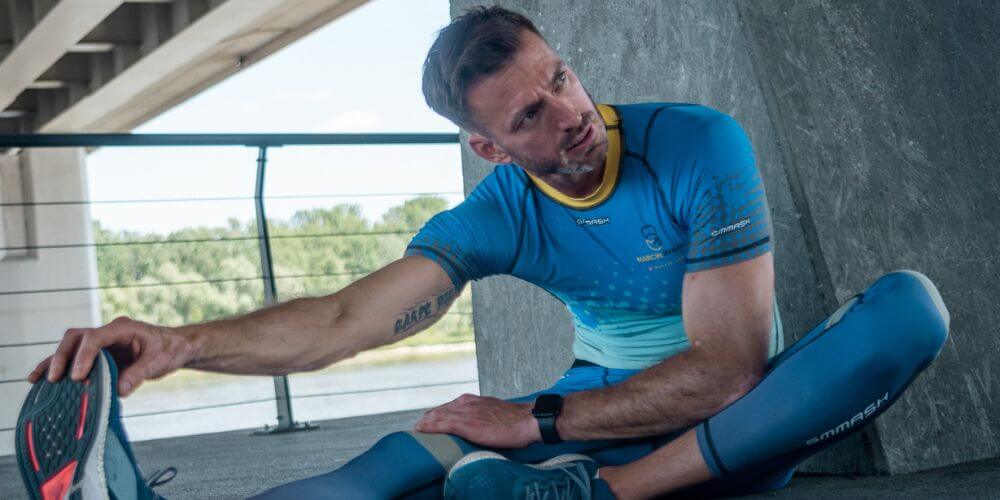
How should you recover after training?
Below, we have included a list of proven methods you can introduce into your training routine. Tip: we do not recommend using all of them at the same time :)!
High temperature
Exposing the body to high temperatures opens the blood vessels, which improves blood circulation, lowers blood pressure, and as a result has a positive effect on body recovery. You can achieve this effect in several ways, for example in a sauna (dry, wet, steam), as well as through hot baths.
Important: this kind of “hot” recovery should not be used right after physical activity. Your body is already heated enough at that point, and exposing it to even higher temperatures may prove very dangerous.
Recommended duration: from a few to several minutes (depending on the temperature level).
Low temperature
Do you enjoy cold-water immersion? Exposing the body to very low temperatures also has a positive effect on recovery. However, it works in a slightly “different way.” Bathing in icy water is used not only for better recovery. Many studies also point to its positive impact on weight loss processes (including by speeding up metabolism).
If for various reasons you cannot allow yourself full immersion in icy water - there is a way around it. You can successfully apply ice or special gel packs directly to the selected area. Remember to use this type of recovery sensibly. Exposure to ice for too long may cause dangerous frostbite.
Recommended duration: a few minutes (depending on the temperature).
Alternating cold and hot
Another way to deal with tight, swollen, and tired muscles (especially right after training or competition) is to alternate keeping them in hot water and then in cold water.
One of the well-known athletes who used such treatments was none other than Kobe Bryant himself. If the legend of American basketball considered it a “must-have,” who are we to argue ;)?
Stretching
If you add it after every workout, it can contribute not only to better recovery, but also positively affect your mobility and range of motion.
Stretching can last from a few to several minutes. It is worth using after every session.
Massage and foam rolling
This is a good step if you feel that your muscles are hard, tight, and “knotted.” Properly performed treatment will help you relax them, relieve pain, and therefore also provide a stimulus for a faster return to form. In this area, you can choose the help of a physiotherapist or perform massage on your own (for example with a special massage gun or a roller).
Massage should last from a few to several minutes - after every workout.
Compression
Faster and more effective muscle recovery needs better blood flow. And you can achieve that with dedicated solutions. Currently, the two most popular options are:
- Compression clothing, which you can put on right after training. On the market, you will find socks, leggings, shirts, and many other options that will allow you to improve blood flow in any part of your body. Costs? Starting from a few dozen złoty. It is worth wearing this type of clothing from a few minutes to a few hours each day (depending on the degree of compression).
- Special electric sleeves, which automatically change the pressure applied to your body. On the market, sleeves for the lower and upper limbs are usually available. Note! The prices of such “toys” can reach even several thousand złoty. The positive effects of using the sleeve are visible after just several minutes (we know this from our own experience).
Recovery supplements
It is worth making sure that all essential nutrients are included directly in your meals. However, we know that this is not always feasible. That is why it is worth considering supplementing your diet with appropriate products. Protein or creatine are classic solutions that you can complement with other options matched to your activity.
Recovery training
Yes - you are reading that right, we did not misspeak at all.
Paradoxically, one of the ways to rebuild muscles is training. However, there is one small “but.” This type of effort should differ significantly from what your body is used to. To be effective, it must be characterized by very low intensity and a low number of repetitions.
What is all this for? To relax tight muscles, stretch them, and also provide them with oxygen.
What helps recovery after strength training?
We have covered the theory, so now it is time for practice. If you have just finished a gym session where you gave it your all, here is what your recovery may look like.
First, massage your tired muscles, which will help relax them and reduce possible pain. Then treat yourself to a solid meal containing a good dose of carbohydrates and protein. The latter are especially important for muscle rebuilding and further growth. Then it is time for rest and sleep, which should not be interrupted.
What recovery after running?
Obviously, during such activities your legs are under the greatest strain. We are talking especially about the calves, thighs, and glutes. When you finish, spend a few moments stretching, and then do some foam rolling / massage of the calves and hips.
Then prepare a meal that will replenish the lost nutrients and also provide reserves for rebuilding and further functioning. Just like in the case of gym exercises - take care of your sleep.
How long does recovery after training take?
Although a more accurate question would be: how long SHOULD the recovery process take? The answer is always: it depends. On your level of training, the type of activity, goals, etc. To make it easier, we can assume the following rules.
- Recovery after a regular workout should last about 24 hours.
- Recovery after very intense effort may last from 24 up to 72 hours.
More sports and training tips?
We hope you enjoyed this article and that you will take valuable lessons from it. If you want to continue expanding your knowledge about sport - we have great news. Head over to the SMMASH blog right now, where plenty of interesting content is waiting for you. Want us to let you in on a secret? We regularly publish new posts there, so it is worth visiting us at least a few times a month.
And if you are looking for proven sportswear that will take your training and performance to a new and still undiscovered level - visit our online store. There you will find men’s sportswear as well as plenty of collections of women’s sportswear.


