

Running in Winter - How to Prepare? How to Start and What to Wear?
There’s snow and frost outside, and you (instead of relaxing in the warmth of your home) are planning to go for “a bit” of a run? But before you take your first step on a snowy or frozen route, you want to know what to pay attention to so that this activity is not only safe, but also fully comfortable? We think we have the answer!
How should you prepare for this kind of activity in freezing weather? How should you dress for running in winter? Check out our short guide, where you’ll find answers to these and many other key questions.
How to run in winter?
To make sure your activity is not only comfortable, but also goes as planned and doesn’t end with an unpleasant injury, take care of 3 key areas:
#1 Remember to warm up
Before you start covering your first meters, do what you do before every workout (regardless of the season). Make sure your body is ready for effort in freezing conditions. For this, you can do a few quick strides, jumping jacks, hops, rotations and bends.
#2 Choose the right route
If you run during a period when snow has actually appeared in Poland, try to choose places where it is packed down and firm enough. Moving through heavily snow-covered terrain will require much more effort from you.
The same applies to slippery surfaces. When running on them, keep in mind that you move in a way that isn’t entirely natural, which puts greater strain on your knees and, in extreme cases, may even increase the risk of injury.
Tip: this choice also applies to the pace and distance you plan to cover. In low temperatures, your body uses much more energy. If you don’t want to overstrain it or catch a cold, consider organizing shorter runs or taking food with you on the route to help replenish the calories burned.
Intense effort, meaning effort that requires a high heart rate and heavy breathing, can significantly cool down your airways. That’s why many runners believe that in winter, less intense workouts work much better, allowing you to build an aerobic base and running endurance. It’s better to leave sprints and interval runs for warmer periods.
#3 Put together the right outfit
When doing this, take into account not only the temperature, but also other weather factors (falling and lying snow, as well as wind). One thing is certain: if we’re talking about a classic winter, where temperatures drop well below 0 degrees Celsius, your training won’t do without warm underwear, a long-sleeve shirt, leggings, a jacket, a hat and properly fitted footwear. You’ll read more about how to choose them in a moment.
But first...

What conditions will you face during winter running?
Typical challenges associated with this part of the running season include:
Frost everywhere
No matter what we say about this time of year, one thing is certain. Running during this period means dealing with low or very low temperatures. If you’re not a fan of them, consider an alternative in the form of treadmill running.
Snow, ice, water and mud
Winter, especially in Poland, can be very surprising. The fact that a few centimeters of white powder fell one day doesn’t mean that the next day the temperature won’t rise a few degrees above zero and that pleasant snow won’t simply turn into water and mud.
Darkness
In winter, days are definitely shorter and if you’re planning to run in the late afternoon, darkness can catch you very quickly.
If you don’t want to run after dark, plan your workouts a little earlier. If it’s not a major issue for you, remember to equip yourself with a flashlight and reflective elements (for your safety!).

What temperature is good for running in winter?
Choosing the right temperature is a completely individual matter. While for some people minus 10, 15 or even 20 degrees Celsius is not a challenge at all, for others temperatures around zero may be an impossible barrier to overcome.
How can you check what temperatures you run best in? Use the preparation tips above and then simply test it for yourself!
What should you wear for winter running? The ABCs of sportswear.
Let’s start in a slightly unusual way, by answering the question: What is it better NOT to run in?
Because of the ever-present moisture, winter is not the best time to wear warm but thick cotton clothes. On the one hand, they may restrict your movement, and on the other, they can create ideal conditions for holding water, which will lower your body temperature. During this season, it’s also better to avoid footwear with a flat sole, which can be very prone to slipping.
Of course, there are many “hardcore” runners who run in shorts in winter or do it without a shirt. However, in this article we’ll focus on putting together an outfit that gives you maximum comfort without exposing your body to extreme conditions.
-
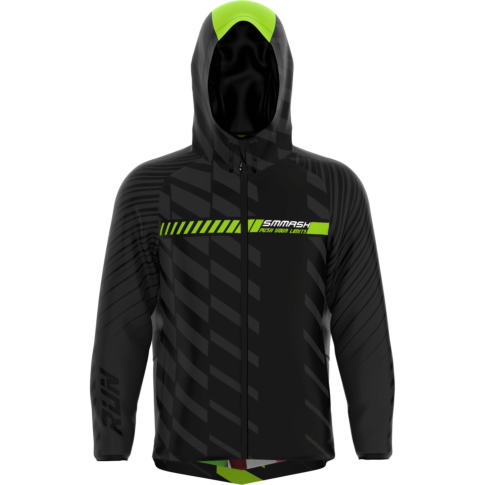 RUNNING JACKET KURTKA DO BIEGANIA I OCRAs low as $99.99 Regular Price $141.99
-
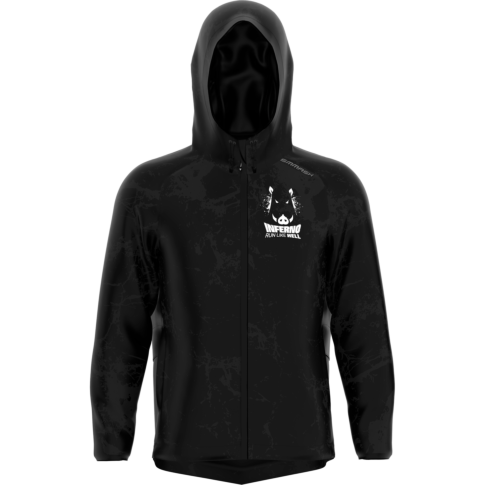 RUNNING JACKET RUNNING AND OCR JACKETAs low as $99.99 Regular Price $141.99
-
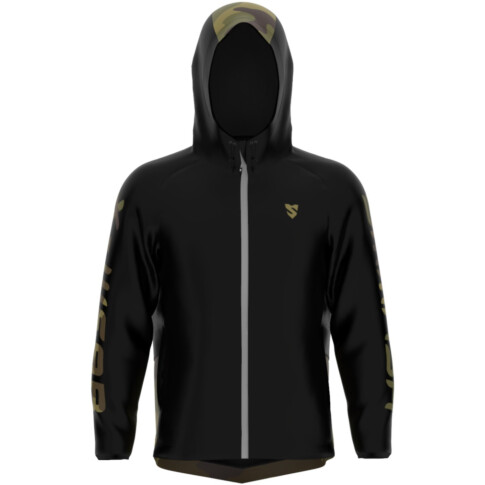 RUNNING JACKET RUNNING AND OCR JACKETAs low as $99.99 Regular Price $141.99
-
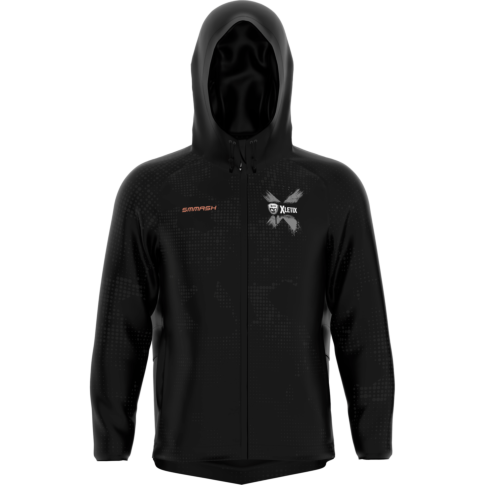 RUNNING JACKET RUNNING AND OCR JACKETAs low as $99.99 Regular Price $141.99
-
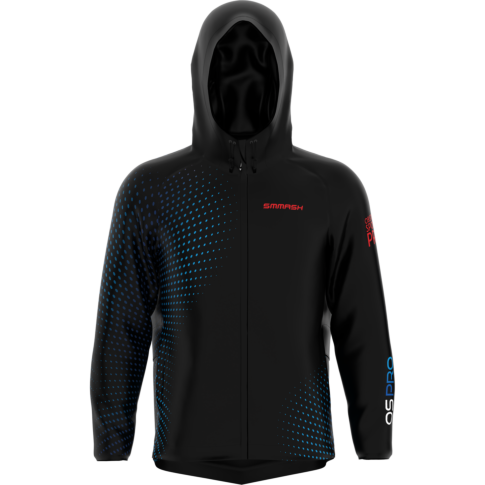 RUNNING JACKET KURTKA DO BIEGANIA I OCRAs low as $99.99 Regular Price $141.99
-
 RUNNING JACKET KURTKA DO BIEGANIA I OCRAs low as $99.99 Regular Price $141.99
-
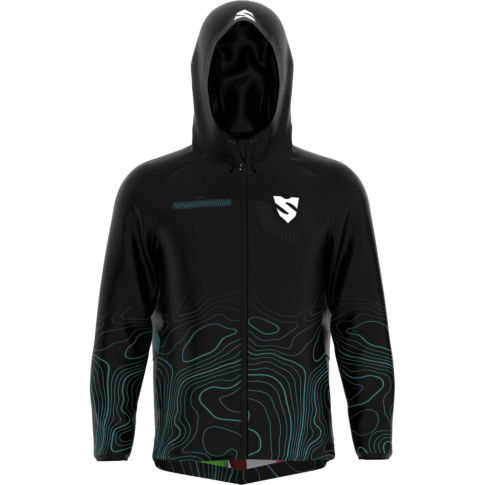 RUNNING JACKET KURTKA DO BIEGANIA I OCRAs low as $99.99 Regular Price $141.99
-
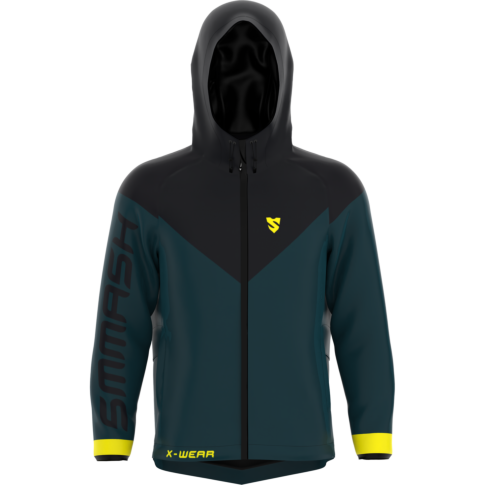 RUNNING JACKET RUNNING AND OCR JACKETAs low as $99.99 Regular Price $141.99
How should you dress for running in winter? Divide your outfit into layers.
Just like when putting together an outfit for autumn running, which we wrote a separate article about, layers also work perfectly well for winter activity.
- Layer number 1 is: a long-sleeve shirt, long leggings, a hat or headband, thick socks and, of course, suitable warm underwear (thermal underwear works great here). This set works well on its own when running in slightly milder conditions (from plus 5 to minus 5 degrees Celsius).
- Layer number 2 is: a sweatshirt, pants and a scarf (or alternatively a neck warmer / buff), which work well in temperatures below minus 5 degrees Celsius).
- Layer number 3 is: a jacket, which is the perfect solution when it gets really cold. It’s worth choosing one with a hood, which you can use for extra protection against the cold.
Remember that the layers above are only our suggestions. If you’re someone who gets cold very easily or, on the contrary, running in low temperatures is not much of a challenge for you, you can modify them freely.

What running shoes should you choose for winter?
Choosing the right footwear should depend on the weather conditions, temperature, surface and the distances you plan to cover. That’s why in this respect you should consider: sole height (cushioning), tread type (a more aggressive one works better on snow and ice), as well as protection against cold and moisture. We’ll write more about choosing the right shoes in a separate article.
Need an outfit that can handle the sports challenges of snow and low temperatures?
Visit our online store SMMASH, where you’ll find fitted, durable and stylish sportswear that works perfectly in winter, both in lighter frost and in more intense cold. Happy shopping!


